Biographical documentaries and local histories from across the Street Crime UK archive.
INSIDE THIS COLLECTION
Reputation can travel further than the events that created it. This collection brings together portraits of well-known figures and histories of the places associated with them. The individual pages explore the film’s central events and themes, with attention to the difference between a public persona, an allegation and a court outcome. These are historical documentaries, presented with their original publication dates.
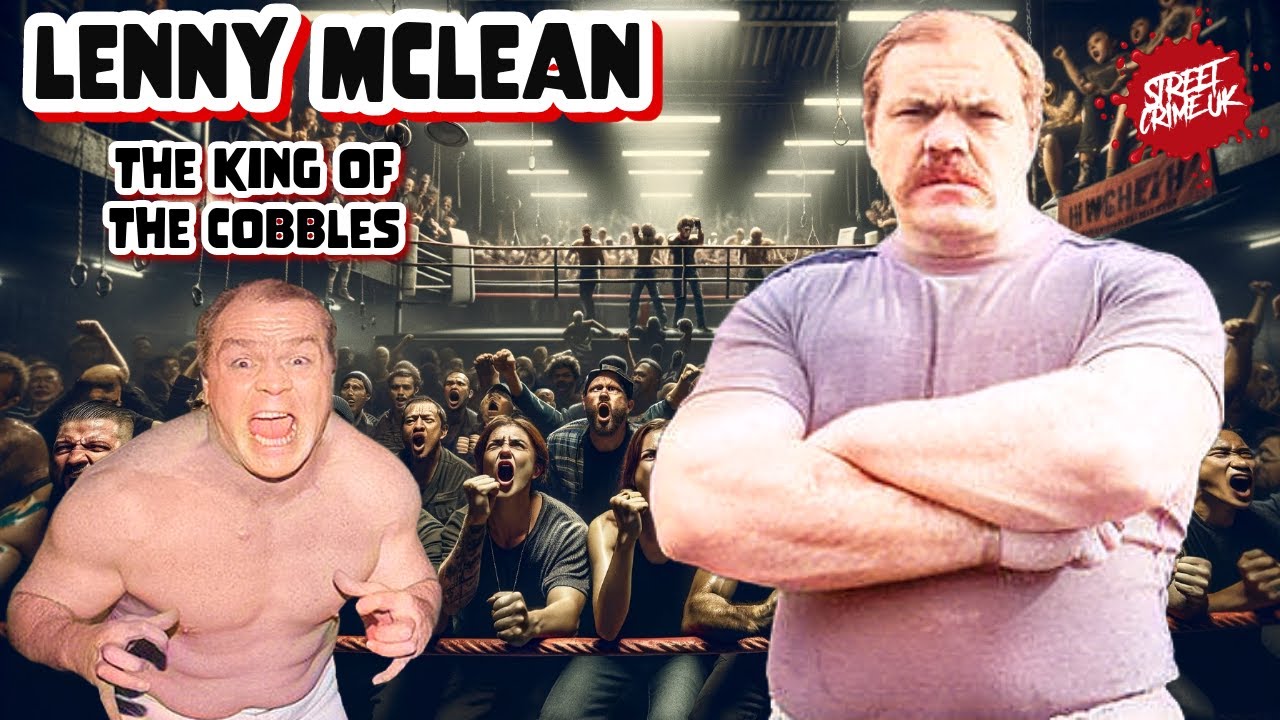
Lenny McLean’s public life crossed unlicensed boxing, door work, autobiography and cinema. This companion explores how those different forms of performance helped create “The Guv’nor”, and why a reputation needs to be read alongside a life.
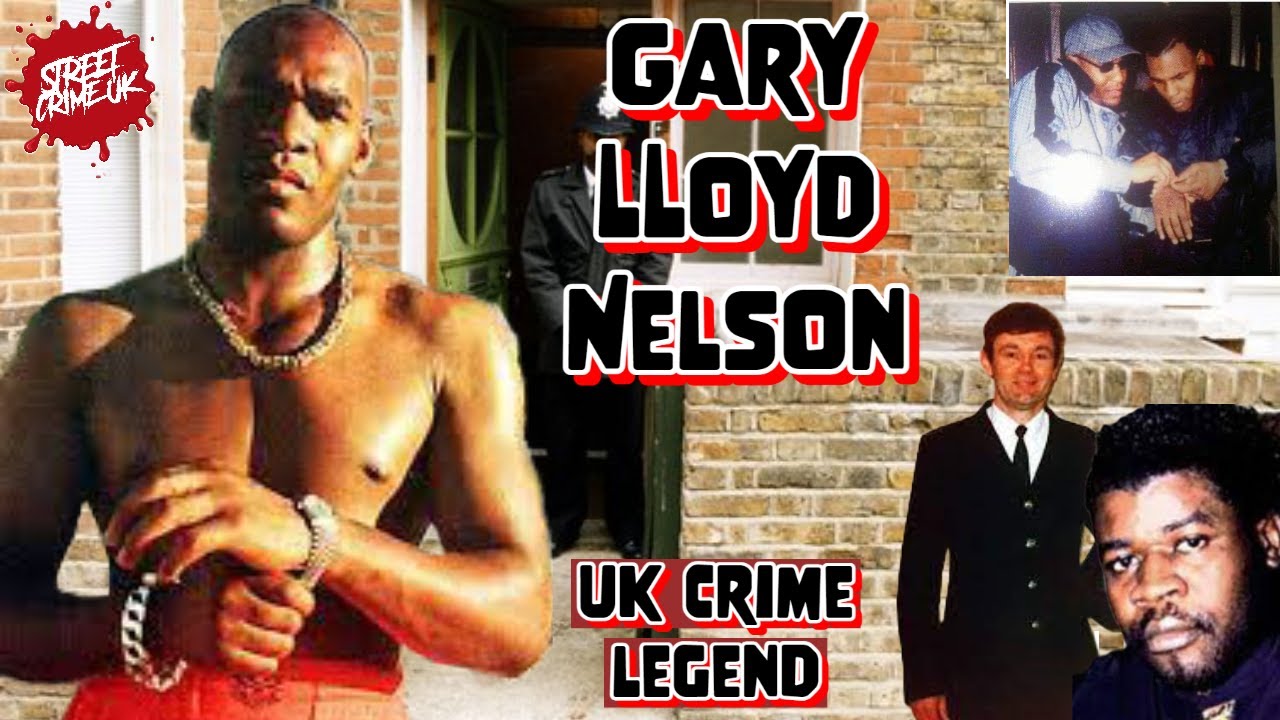
The documentary’s published account centres on Gary Nelson, Mike Tyson and an expensive jewellery dispute. It explores a point of contact between professional boxing, personal protection and the expectations that can develop around celebrity access.
Part one follows the Slade gang through a cash-van robbery, an unsuccessful supermarket plot and a post-office raid. The account then turns to property connections and the financial consequences that outlast the offences themselves.
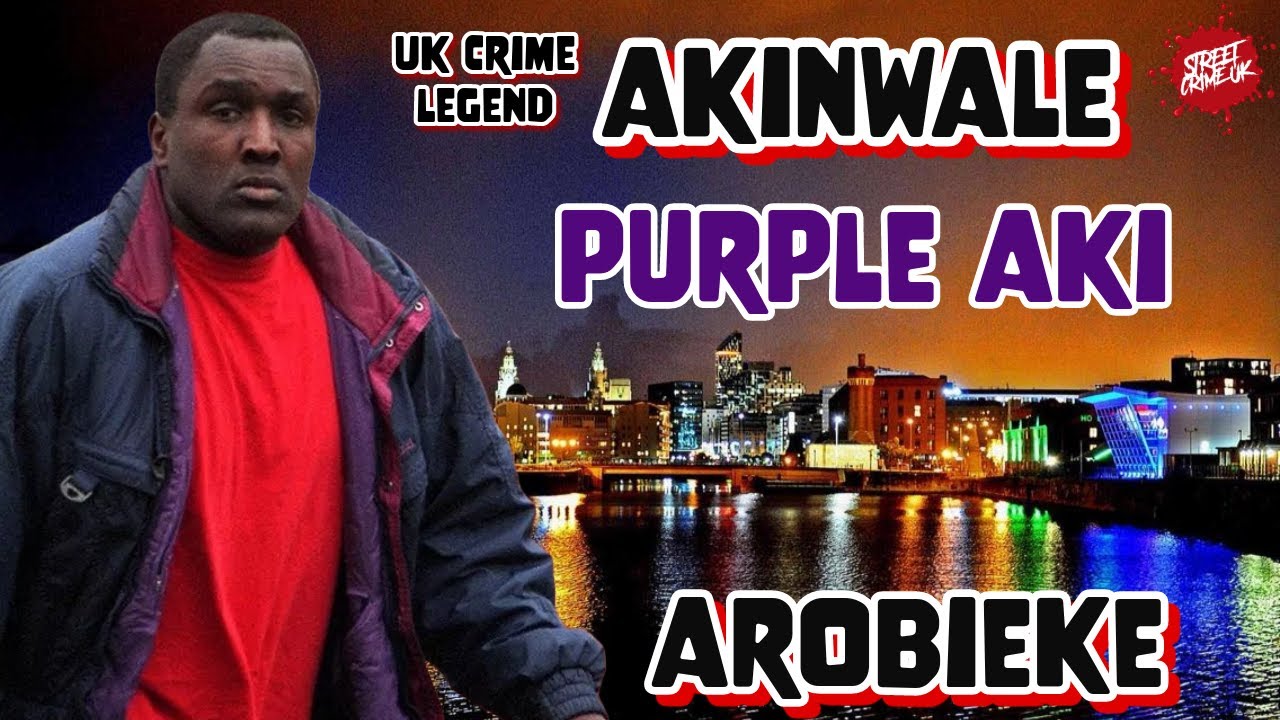
Akinwale Arobieke’s story sits at the intersection of reported conduct, legal restrictions and urban folklore. The documentary examines how a real person became a widely circulated figure, and how race and repetition shaped that transformation.
An ex-boxer and bouncer became the subject of stories about survival and physical resilience. This documentary companion follows the tension between that reputation and Lee Duffy’s fatal stabbing in Middlesbrough.
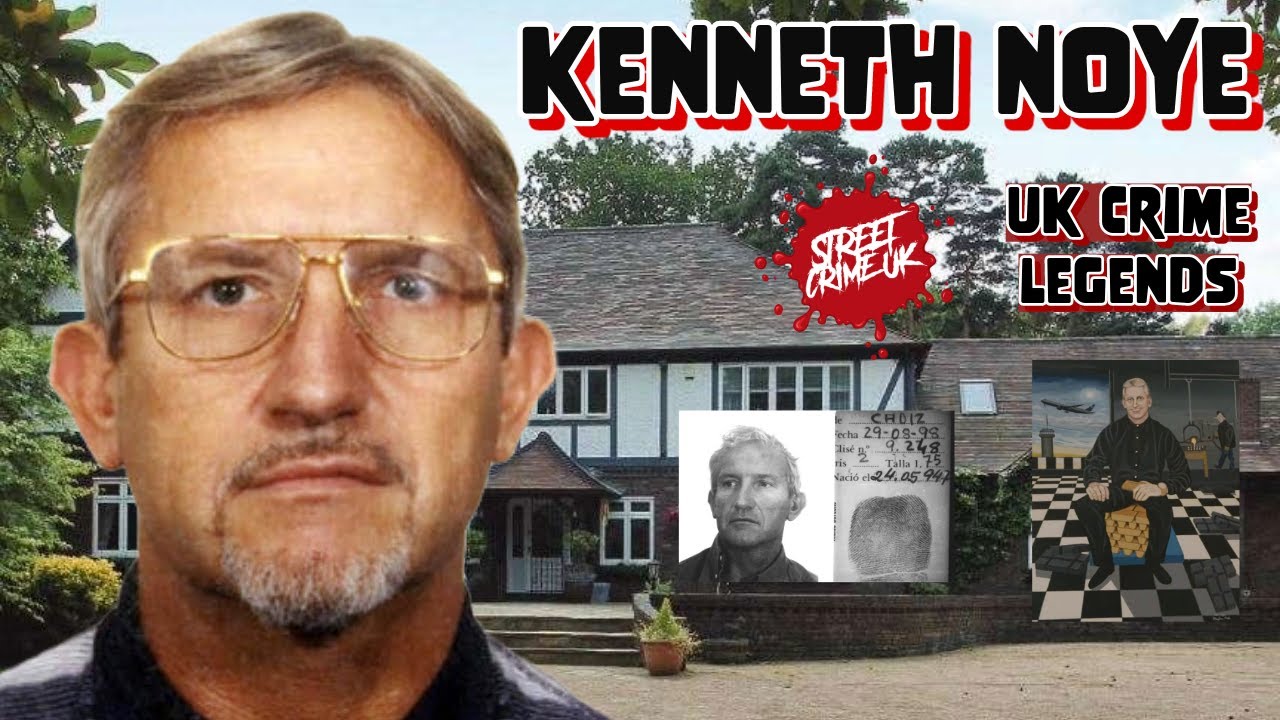
Kenneth Noye’s story connects the aftermath of the Brink’s-Mat robbery with the murder of Stephen Cameron and an international pursuit. The companion separates the stolen-gold case from the later killing, trial and sentence.
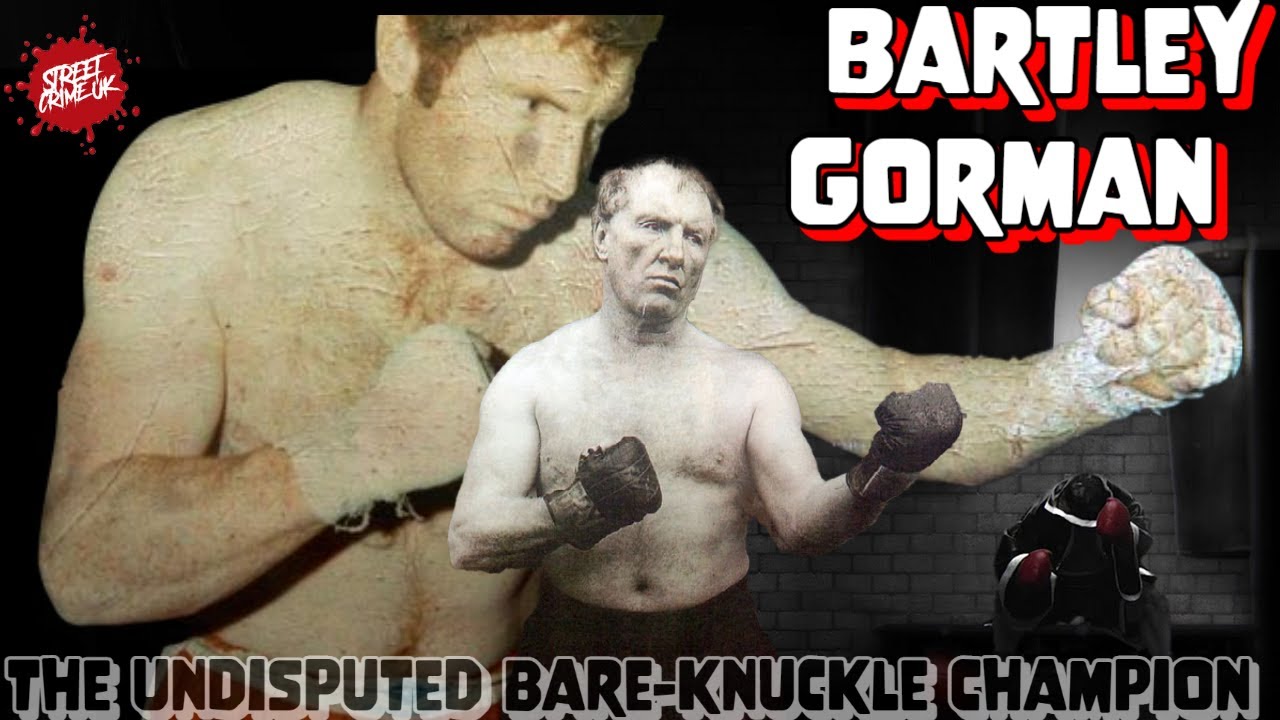
A companion to Street Crime UK’s portrait of Bartley Gorman, exploring how a bare-knuckle fighter’s public identity became bound to ideas of honour, community and an undefeated reputation.
A gathering at Junior Fuller’s home becomes the setting for confrontation in Street Crime UK’s account of Dwayne Johnson, with recent bereavement forming an important part of the evening’s context.
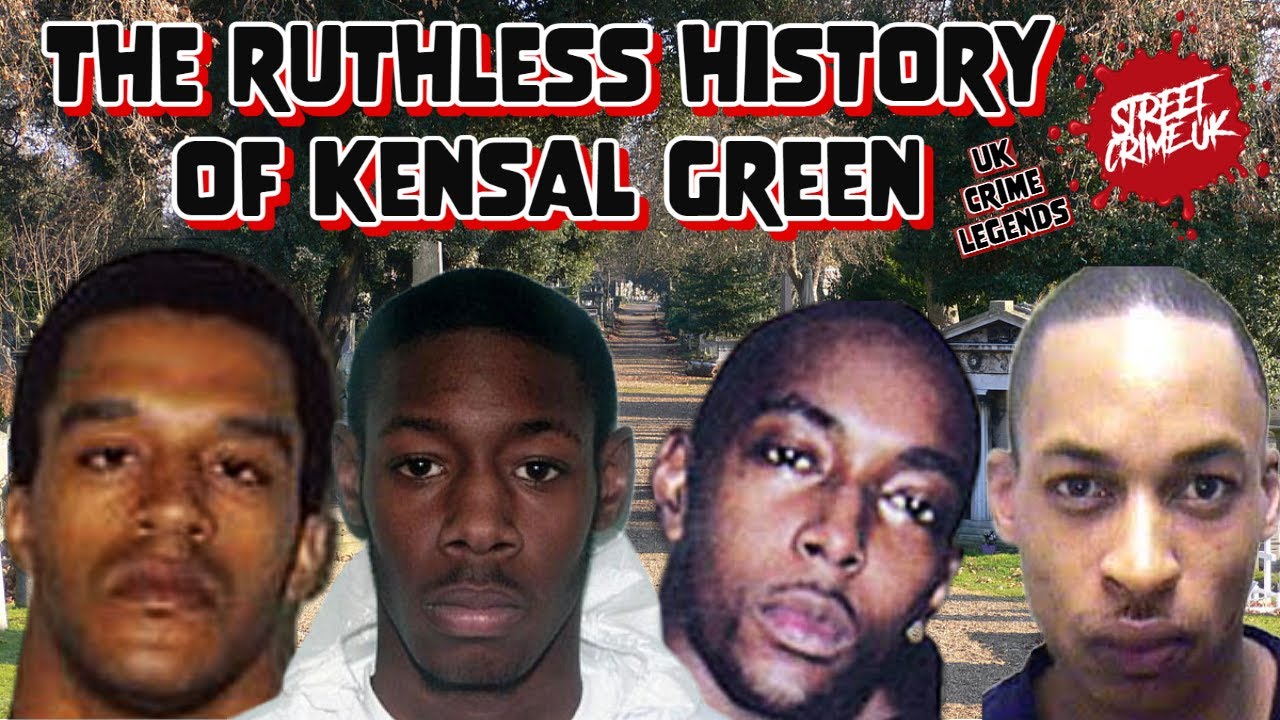
A place-led documentary about Kensal Green considers the distance between a neighbourhood’s history and its crime reputation, with the effects on residents providing a more useful focus than sensational labels.
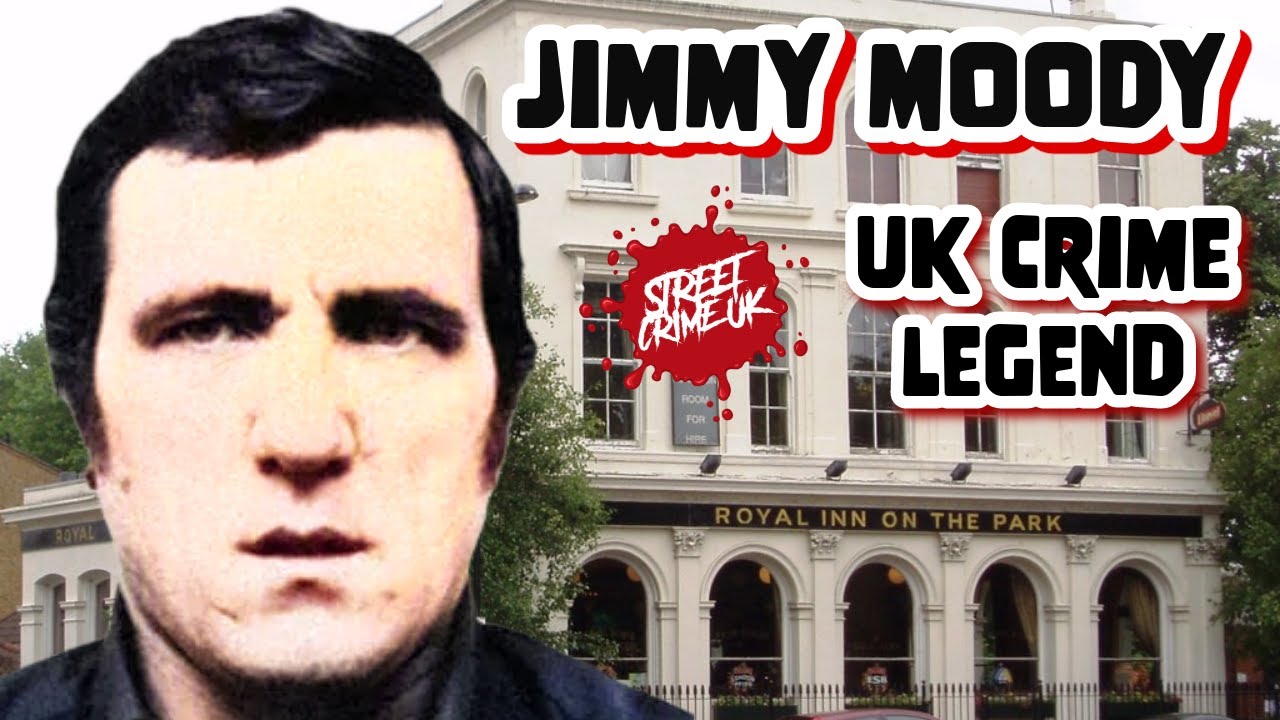
A documentary portrait of Jimmy Moody explores the construction of an underworld reputation, the contrast between personal recollection and criminal allegation, and a death that frames the film’s central question.
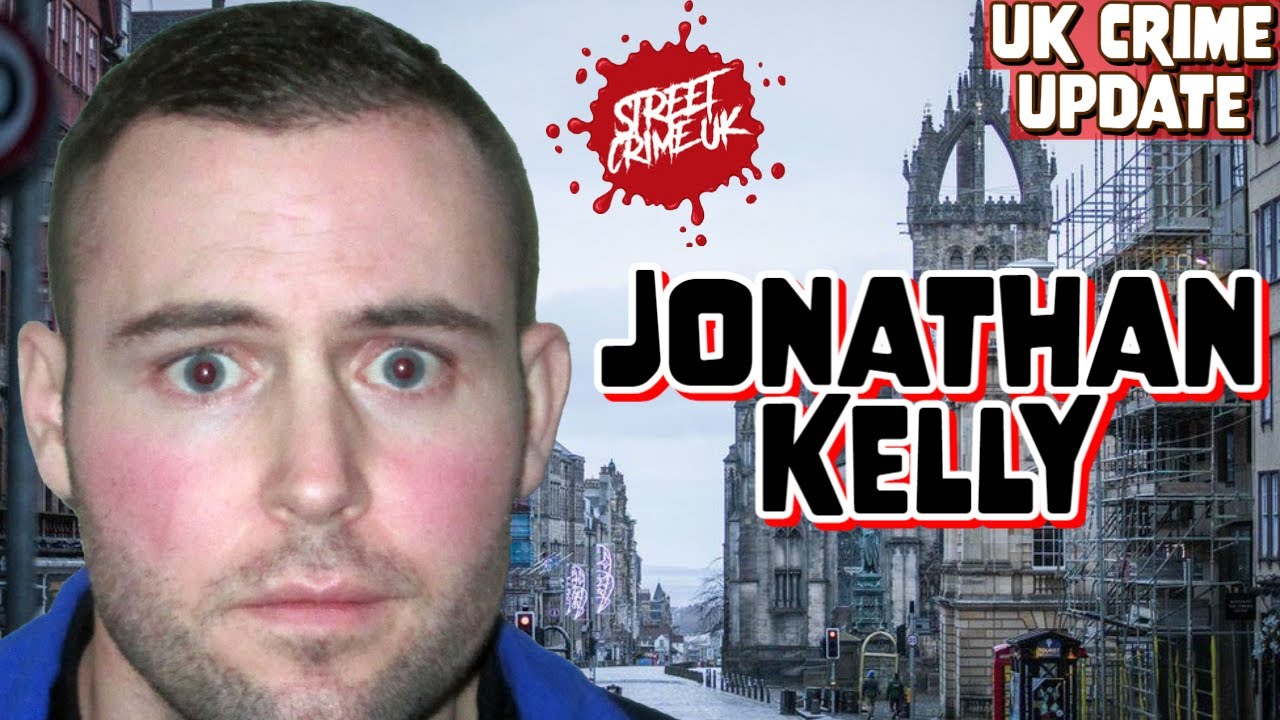
Street Crime UK’s archive profile introduces Jonathan Kelly through the story of a fugitive, inviting attention to how a public reputation is built and how a historical search is narrated.
Street Crime UK’s estate documentary begins with Grahame Park’s housing and aviation history, offering a place-based companion that keeps the neighbourhood’s identity broader than the reputation suggested by the title.
Follow this route through the collection, or choose the story that interests you. Read each film’s companion for its own facts, themes and publication context.