INSIDE THE STORY.
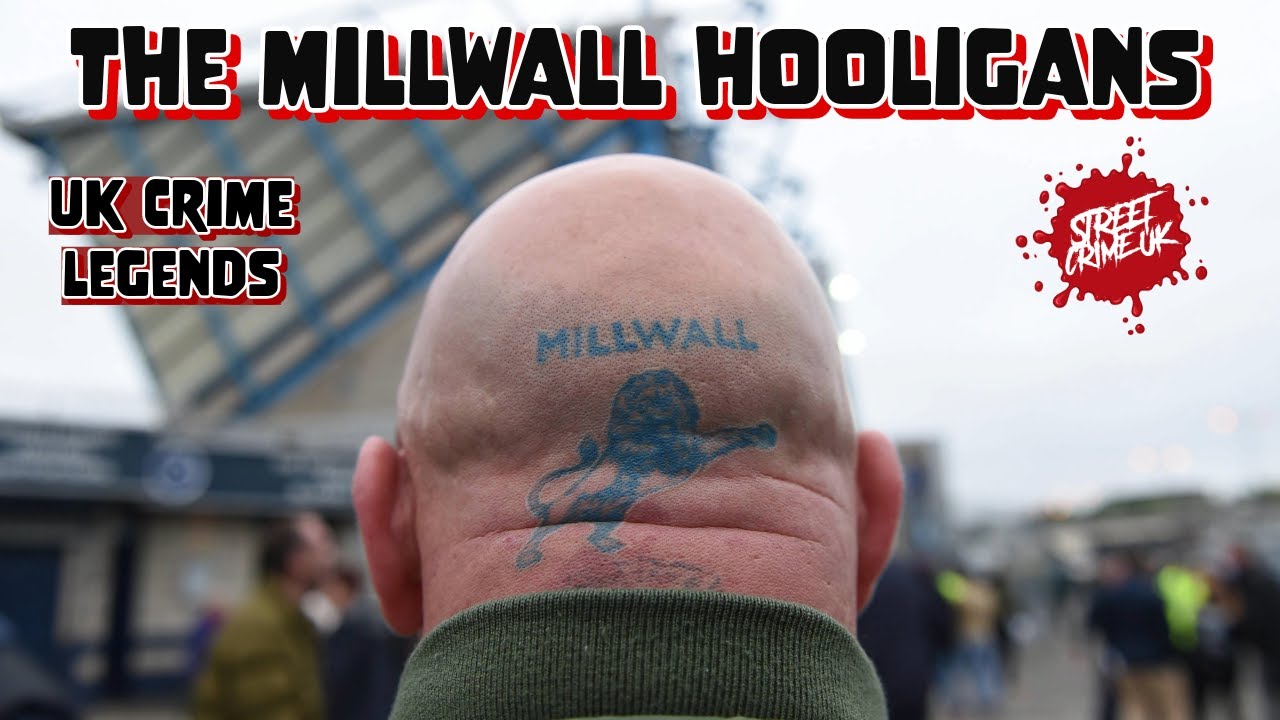
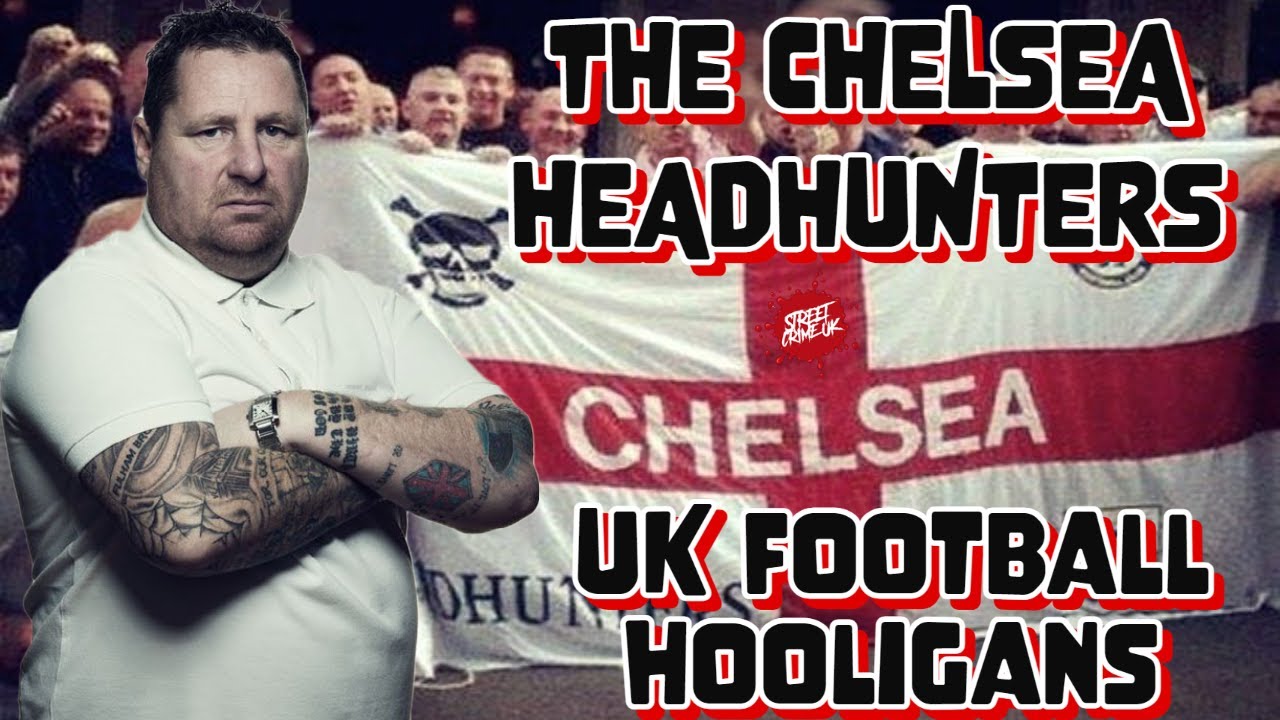
This documentary moves across several kinds of material: a historical account of a hooligan firm, chapters about investigation and fallout, and an interview with Jason Marriner. Its published structure begins in the 1960s and 1970s and ends with questions of legacy. The story therefore concerns both what the group did and how its history is later narrated. The Headhunters’ identity belongs to a particular group; it should not stand in for Chelsea’s entire support.
Origins and transformation
The documentary traces the Headhunters’ origins to the 1960s and 1970s, then examines a later transformation. That separation gives the account a sense of development, rather than presenting a group as if it emerged fully formed. The relevant history concerns changing forms of organised disorder around football and the creation of an identity that could outlast a particular match or season.
A sequence of alliances and confrontations
Conflict and alliances are recurring themes before the documentary turns to an undercover operation. Together they show why a firm’s history is more than a succession of isolated disturbances. Relationships help define who belongs, who is opposed and which events become part of the group’s remembered history. Reputation is both a result of those stories and a way of interpreting later events.
Exposure and its aftermath
The explicit pairing of an undercover operation with its fallout marks a shift from the group’s internal story to scrutiny from outside. The subsequent legacy chapter asks what remains after that exposure. This structure encourages a distinction between the end of a particular episode and the persistence of a name, a reputation or a set of stories within football culture.
Listening to a participant’s account
The documentary credits filmmaker Liam Galvin for footage and identifies his interview with Jason Marriner as part of the programme. That material brings a participant’s perspective into the historical narrative. Such testimony can illuminate how someone explains their past, while remaining a perspective with its own interests and memory. Its value comes from understanding whose account is being heard.
THREE QUESTIONS THE FILM RAISES
- What changes does the film identify between the group’s origins and its later form?
- How does the undercover-operation section alter the earlier narrative?
- How does Marriner’s interview compare with the documentary’s own historical framing?
Based on Street Crime UK’s official YouTube description. Documentary published 26 June 2023. This is an archive companion, not a report of present circumstances.
Original film & channel descriptionSuggest a correction